Our framework

The 8Lovers™ Model

No two relationships are alike. Built on decades of relationship research, our framework describes eight couple dynamics.

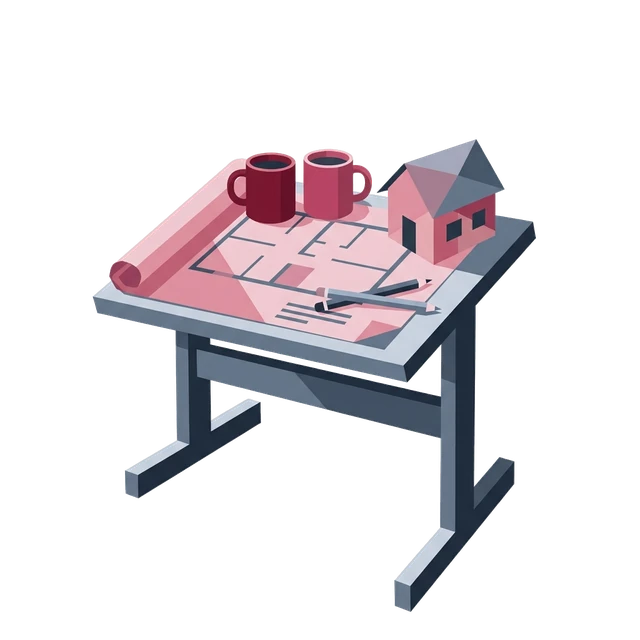
House plans on a table with two coffee mugs and a model house.
01 / 08 Architects

You plan your life together and talk things out as you go.

You share most of your time and like it built around a plan: a weekly routine, a calendar you both fill in, weekends arranged well ahead. When something bothers either of you, it gets said and sorted the same day.

How it Works

Your path to a first date

  1. Take the test

    Takes roughly 10 minutes, a fun and easy exploration of who you are as a partner.

  2. Find your matches

    Ranked by compatibility, and the 'couple type' you'd make together.

  3. Send an introduction

    Intros go straight to their chat, and we email them for you so they don't miss it.

  4. Prepare for the date Paid feature

    You receive pointers for your first date, and help steering the conversation based on both your test answers.

We only charge for the extras: Personalized Matchmaking, event tickets and detailed insights into your potential match. Everything else is free.

Our model

The methodology has two parts: a couple type that describes the dynamic between two partners, and five areas that define your compatibility as a couple.

Our sources

Three lines of research

How couples handle conflict

John Gottman followed married couples over several years and found three stable styles: couples who talk disagreements through calmly, couples who argue openly and make up warmly, and couples who let most things pass. All three lasted; the couples who split were the ones who were hostile or emotionally detached.

Gottman, 1993

Types of couples

David Olson and Blaine Fowers sorted 6,267 married couples into five recognisable types from their answers to a relationship inventory. Olson's Circumplex Model describes couples along two lines: how close they are, and how they handle change.

Olson, 1993 · 2000

Attachment

Attachment research looks at how much closeness and reassurance each partner needs. It also finds that these needs sit on a scale, with few people in fixed categories, which is why we place every couple on a scale too.

Kirkpatrick & Davis, 1994 · Fraley, 2015

The model

Three axes, eight types

Our framework brings these lines of research together into one model with three dimensions: closeness, conflict and rhythm.

  1. Closeness

    CloseIndependent

    How much time, friends and hobbies you share, and how much time alone you need.

  2. Conflict

    DirectPatient

    Whether you raise things early and stay in a hard conversation, or give them time first.

  3. Rhythm

    AnchoredAdventurous

    Whether you prefer routine and plans, or new things and a change of course.

Your answers place each of you on every axis, and your couple type comes from where the two of you sit together.

Compatibility

How you complement each other

Compatibility is not the same as similarity. Our framework looks at how your values, habits and ways of relating complement each other, across five areas.

  1. Values and future

    Where your lives are heading.

    The differences that are hardest to compromise on sit here. Couples tend to be more alike in their politics than in almost any other trait, and differences in religious practice are linked to less stable marriages. This area counts the most.

    Covers: relationship goals, children, family, faith, politics, money, where to live, work and life

  2. Daily life

    How your days would fit together.

    None of these ends a relationship on its own, but the small frictions of living together add up. This area looks at how easily your habits sit next to each other.

    Covers: sleep, tidiness, drinking, pets, social and alone time, hobbies, routine

  3. Communication

    How you talk, disagree and make up.

    Conflict research finds that how a couple argues and repairs matters more than how often they disagree. This area compares how directly you speak, when you like to resolve things and how readily you bend.

    Covers: directness, openness, keeping in touch, timing and approach in conflict, compromise, apologising

  4. Closeness and intimacy

    How you give and receive closeness.

    Attachment research finds that insecurity in either partner lowers satisfaction for both. This area looks at how well your needs for closeness, reassurance and affection meet.

    Covers: emotional support, attachment, trust, jealousy, affection, intimacy, shared time and friends

  5. Growth and partnership

    How you build a life and grow over time.

    Studies that follow newlyweds find that fading affection in the early years predicts later trouble better than early conflict does. This area looks at what keeps a partnership going: shared goals, admiration and support.

    Covers: shared goals, commitment, admiration, empathy, optimism, adaptability, household roles, family, careers

What it is not

Our framework does not predict whether a relationship will last, but it gives you a strong foundation to build on. Studies show that how two people treat each other matters more than any match on paper.

The research we drew on

These studies shaped the framework.

Show all 19 sources

Couple types and conflict

Similarity and how relationships change

Start a chat

This opens a chat with

Your introduction

The first thing they see, and all you can send until they reply.